
The advice sounds simple: save three to six months of expenses in an emergency fund. For the 78% of Americans living paycheck to paycheck, it might as well be “save a million dollars.” The gap between financial wisdom and financial reality has never been wider—but it isn’t unbridgeable.
Start With $500, Not $15,000
Forget the textbook target for now. Research from the Federal Reserve shows that even $400 in accessible savings can prevent a financial shock—a car repair, a medical bill, an unexpected job loss—from becoming a spiral of high-interest debt. Set your first goal at $500. It’s psychologically manageable and practically meaningful.
Automate the Invisible
The most effective savings strategy is the one you never have to think about. Set up an automatic transfer of even $25 per paycheck into a separate savings account. Not a checking account. Not an account linked to your debit card. A separate, slightly inconvenient-to-access account. The friction is the feature. Over a year, $25 per biweekly paycheck becomes $650—more than your first goal.
Find Money You’re Already Spending
Audit your subscriptions. The average American spends $219 per month on recurring subscriptions, and studies show most people underestimate their total by 50% or more. Cancel two or three services you haven’t used in 30 days and redirect that money to savings. It’s not about deprivation—it’s about alignment between your spending and your actual priorities.
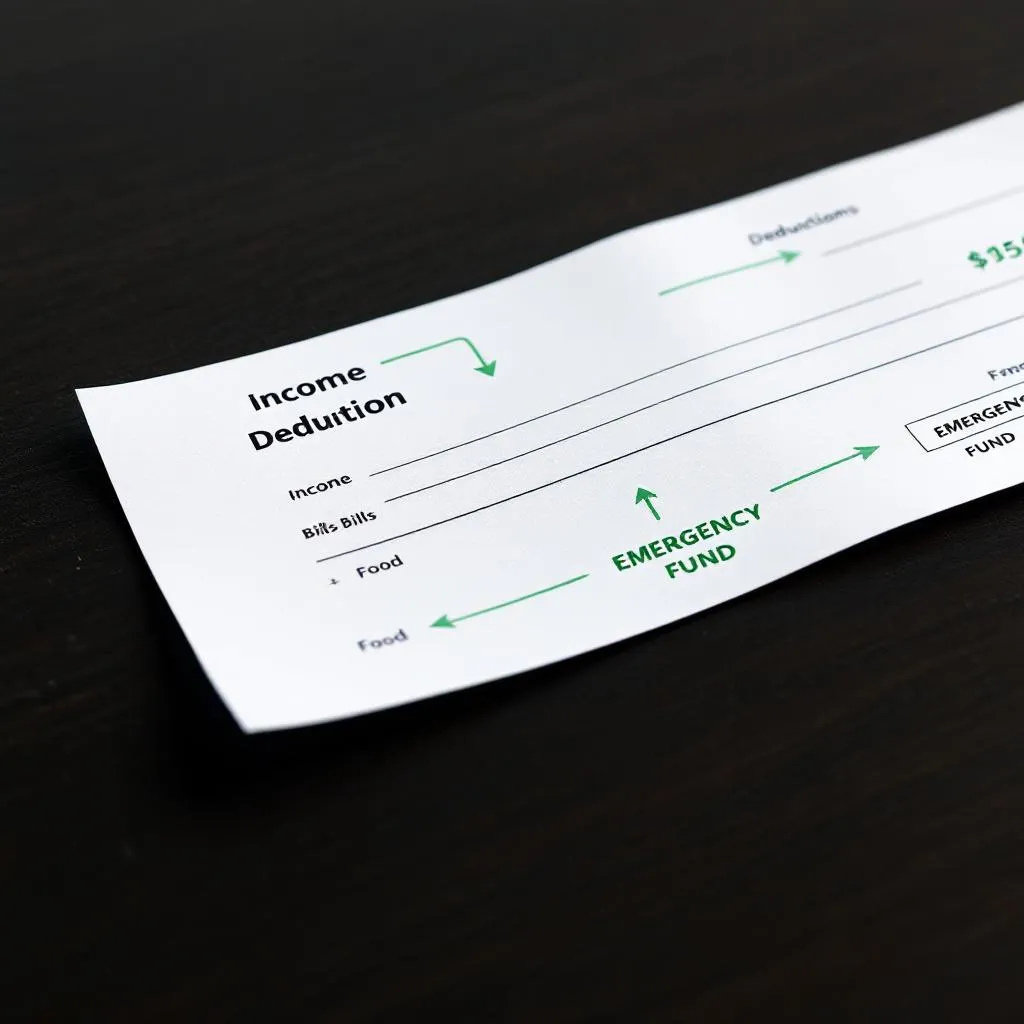
Use Windfalls Strategically
Tax refunds, birthday money, overtime pay, stimulus checks—these irregular income events are emergency fund accelerators. The average tax refund is around $3,100. Committing even half of that to savings can get you to a meaningful cushion in one shot.
Choose the Right Account
Park your emergency fund in a high-yield savings account paying 4%+, not a traditional savings account paying 0.01%. On a $3,000 balance, that’s the difference between earning $120 per year and earning 30 cents. Your emergency fund should work for you while it waits.
The Emotional Truth
Building savings on a tight budget is hard. It requires trade-offs that feel painful in the moment. But the peace of mind that comes from knowing you can absorb a $500 surprise without reaching for a credit card is worth more than any financial metric can capture. Start small, stay consistent, and let the habit build momentum. Your future self will thank you.