
Building meaningful wealth doesn’t require a windfall or sudden leap—it takes patience, a bit of discipline, and, above all, forming small but powerful habits. Few habits are as quietly transformative as this: setting aside $100 each week and putting it directly into an index fund. Simple in its design, this routine has the power to quietly amass over $10,000 in just two years, often without you noticing a strain on your daily finances.
Let’s break it down: We’re talking about a regular, automated investment—almost effortless. If you get paid, your money moves itself. No second-guessing. No arguing with your willpower. The transfer is set and forget; each week, $100 is siphoned from your checking account, out of reach before it ever tempts you. It’s a habit that treats your future self as someone who matters right now.
Why an index fund? Because they’re generally reliable, low-cost, and they don’t demand that you obsess over the stock market’s wild shifts. The S&P 500, a common benchmark, captures hundreds of U.S. companies—spreading out risk, smoothing out bumps, and growing steadily over time. The total stock market fund takes things even further, throwing in smaller firms for broader reach. Some gravitate to the Nasdaq 100 for its tech-heavy punch, but a reasonable level of risk tolerance is required there. Choose what aligns with your comfort and dreams, but let automation do the heavy lifting regardless.
For many, the automation piece is non-negotiable. Consistency is the bedrock of investing success, and nothing maintains consistency like never having to decide in the first place. If you’ve got a 401(k), you may already be investing this way—your paycheck, drip by drip, nudges your retirement nest egg higher. But even outside retirement plans, you can set up recurring transfers from your bank straight into a brokerage account—traditional IRA, Roth IRA, or even a plain taxable account. Some brokerages let you go a step further: your money doesn’t just land in the account, it goes right to work—buying your chosen fund or ETF automatically.
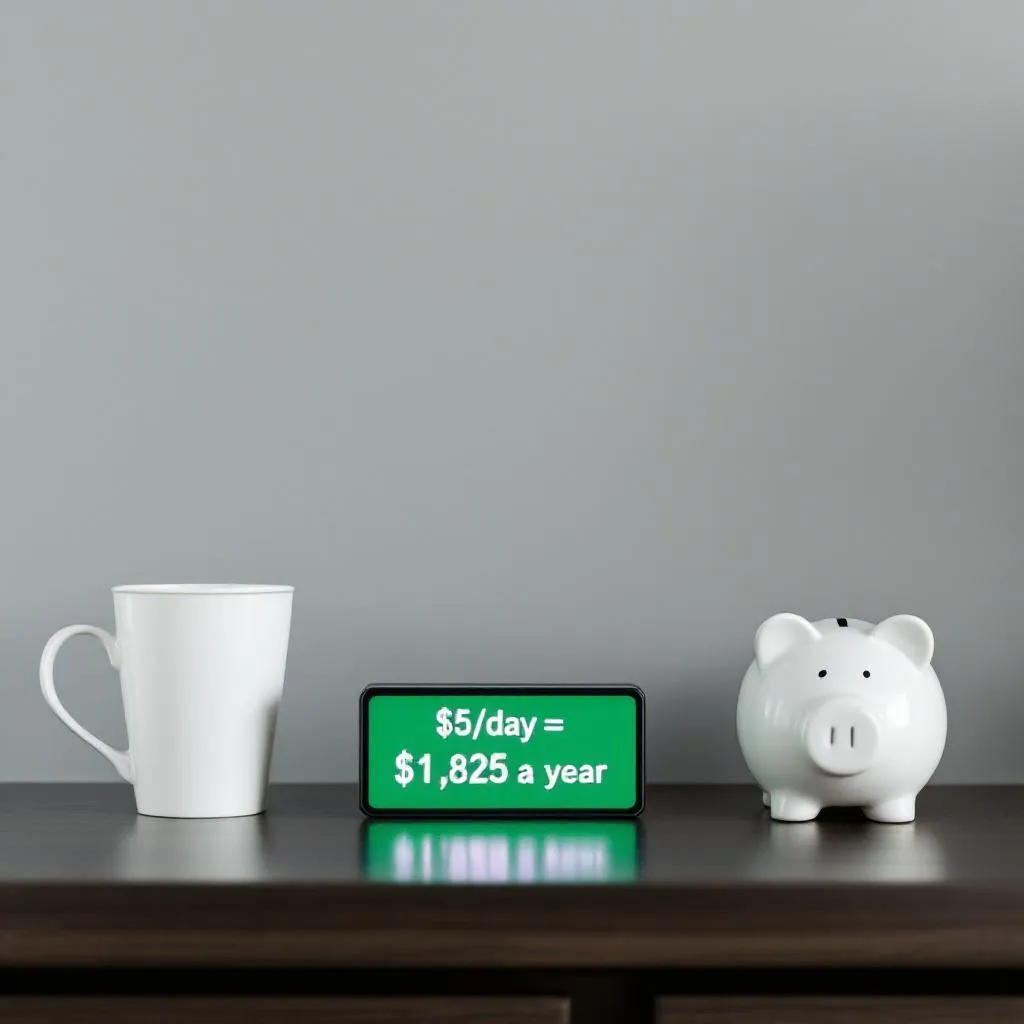
This method works just as beautifully for shorter-term goals, whether that’s a rainy-day fund for sudden expenses or a down payment on a car next summer. Prefer cash to stocks? Most banks allow scheduled transfers to high-yield savings accounts too. The mechanism is the same; only the end goal changes.
So, what do the numbers look like? After a year of faithfully channeling $100 every week into an index fund, you’ll have stashed away $5,200—not counting any investment gains. Two years later, your principal alone can top $10,000. Historically, the S&P 500 returns have hovered around 10.5% annually since the late 1950s. That means your nest egg may quietly swell larger if the markets behave themselves, though, of course, the future never comes with guarantees.
And let’s not overlook the flexibility here. Maybe someday you can manage $150 a week—suddenly your yearly commitment grows to $7,800, and two years sees you almost brushing $16,000 even before market gains. Double it to $200, and you pass $10,000 in a single year. All that from channeling a portion of your coffee runs and impulse purchases into an investment account you might not even check very often.
That’s the subtle genius of automation: Saving becomes almost invisible in your day-to-day life. Over time, you adjust, forget it’s there, stop missing the money. The habit grows into its own reward as your accounts quietly fatten.
Push yourself a little, too. Increase your weekly savings when you get that overtime check, a holiday bonus, or an unexpected windfall. Even bumping things up by $5 a week—barely noticed—means more than $250 extra stashed away each year. These tweaks compound across years, quietly pushing your goals closer.
In the end, transforming your financial future doesn’t demand big swings or wild risks. The strongest gains come from small, smart habits repeated over time. Set the plan in motion, let automation make the hard choices disappear, and step back as your wealth steadily takes root—one unremarkable week at a time.