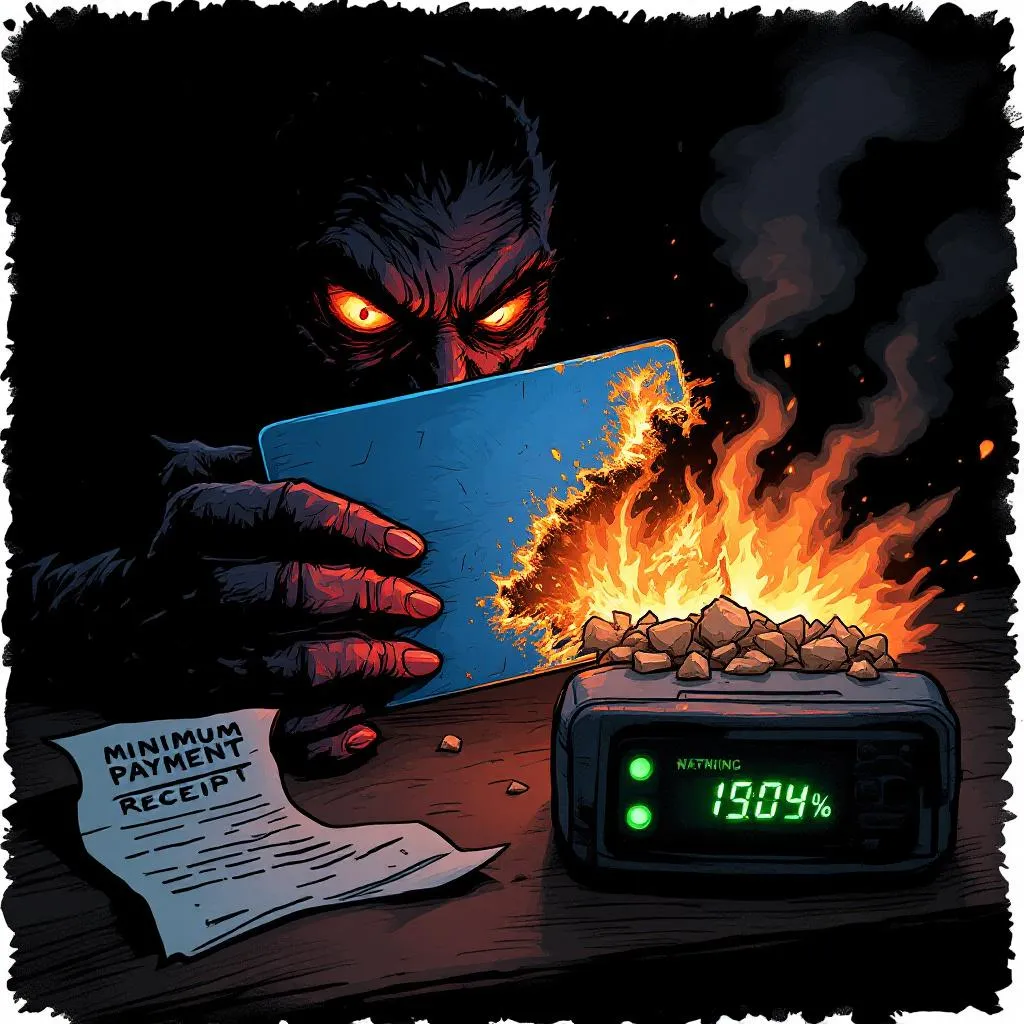
The Hidden Danger of Making Only Minimum Credit Card Payments in Retirement
For years, credit card companies have made it deceptively easy to coast along—offering the bare minimum monthly payment option as a safety net. Miss a payment, and you’ll face late fees and dings on your credit report. But if you pay just a sliver of your bill, you’re seen as reliable. Your account stays green. No angry calls from creditors. On the surface, it feels like a small victory in your monthly financial battle.
But beneath that calm water, interest charges multiply, quietly transforming convenience into a threat. This is especially perilous during retirement, when income streams narrow and unexpected costs seem to find new ways to knock on your door.
Retirement is supposed to be the reward for a life well worked—time to take that long-delayed road trip or dote on the grandkids. But keeping credit card debt on a leash becomes a different game once you’re no longer bringing home a paycheck every week. No job means no easy way to make up ground if you stumble. Most retirees live on what they’ve set aside, along with Social Security or a pension, both of which can feel woefully thin once health care expenses and surprises stack up.

Here’s the brutal math: Every dollar you pay in interest is one less dollar available for doctor visits, car repairs, or even the occasional indulgence. Credit card interest rates aren’t gentle, either; annual percentage rates regularly sit north of 20%. When you pay only the minimum, you surrender to a slow bleed—watching that original purchase cost balloon as each month tacks on more interest.
You may think, “I’ve been handling bills all my life. What’s the harm?” Yet debt that’s manageable at 40 or 50 can quickly spiral past your comfort zone at 65 or 70, when the safety nets of full-time work are gone. The balance grows with unnerving speed, and every month you pay only the minimum, you’re buying yourself a little time but a lot more financial baggage.
So, what’s the way out—or at least a way forward? The obvious answer is to pay more than the minimum. Even if it’s just a small increase, those extra dollars directly reduce the principal, and by extension, the amount of interest you’ll owe next month. If you can’t pay it all off at once, pay as much as reasonably fits your budget. The less you leave behind, the less you’ll owe in the long run.
Just as important: rein in fresh charges. Pause before swiping the card again and ask if it’s truly necessary. Examine your spending with a sharper eye. Cancel subscriptions you barely use. Make the library your new streaming service, or swap out cable for free alternatives. Downsizing—whether it’s a home, a car, or daily lattes—frees up money you can redirect toward debt.
If you’ve kept a good credit rating through the years, you might qualify for a balance transfer offer. These deals usually come with a tempting period of 0% APR, sometimes lasting up to two years. There’s a fee—generally around 3% to 5%—but if you use this window to aggressively pay down your balance, you can dodge the worst of interest’s sting. Just be careful: once the deal ends, rates surge back up. Clear the debt before time runs out, or you’re back at square one.
Some retirees go a step further—taking on part-time work or selling off things they hardly use anymore. Maybe that second car is gathering dust. Let it go, pocket the cash, and shrink your insurance bill. Old tools, seldom-used gadgets, collectibles hidden in the attic—there’s real money in the stuff you no longer need.
Retirement should bring stability, independence, and some well-earned pleasures. But making only minimum credit card payments is a bit like leaving a small leak in your boat—over time, the water rises and the situation grows dire. Face debt head-on while you have choices, not when you’ve run out of options. Every dollar paid now is a step closer to peace of mind—and that, in retirement, is priceless.