
Most Americans are one surprise away from a financial mess—Bankrate found just 46% have enough tucked away to handle three months of bills. Nearly a quarter haven’t stashed a dime for emergencies. So, if making ends meet feels harder these days, you’re not imagining things.
But financial stability isn’t just about squeezing more from every paycheck. It’s also about outsmarting your own spending habits. Here are fourteen facts-of-life strategies that help you hang on to more of what you earn—no perfection required.
1. Study Your Spending
You can’t change what you refuse to see. Pull up your recent bank statements and credit card bills. Most apps and digital banks sort charges automatically, but don’t just skim. Dig into the details. Was that monthly streaming service you forgot about really worth it? How did dinner delivery turn into a weekly event?
Look for money leaks—subscriptions you don’t use, auto-renewals for software you forgot, that mystery $12 gym app. Even a month of honest accounting can be an eye-opener.
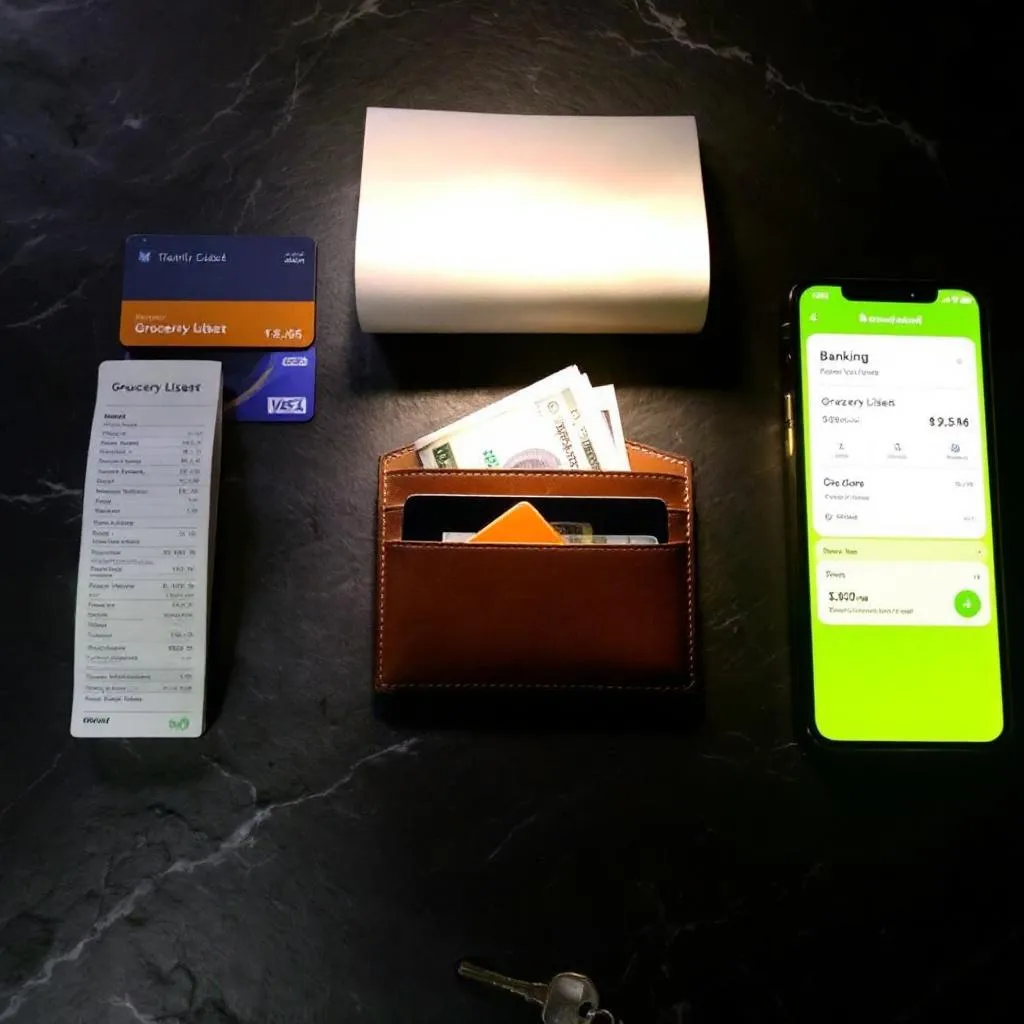
2. Automate Savings
Willpower fades. Automation doesn’t. Line up regular transfers from your checking to savings right after each paycheck hits. Even a modest 10% of your income, whisked into a high-yield account (4% interest isn’t rare these days), adds up without you lifting a finger.
Many budgeting apps manage this invisibly in the background. For some, setting aside a percentage—say, 15%—offers more wiggle room than a stiff dollar figure.
3. Get Strategic with Cash-Back and Rewards
Use cash-back apps for purchases you’re making anyway, not as an excuse to buy more. Credit cards with cash-back can net you up to 5–6%—if you pay the full balance each month.
Stacking app rewards with card perks works, too. Just remember: points are only savings if you’d buy the thing even without them.
4. Rethink Your Cell Plan
How much data do you really use? Most people overpay for mobile. Niche carriers like Mint Mobile and Visible run on the same networks as the big guys—but often for half the price.
Check your actual monthly usage before calling. Oftentimes, just asking your provider for a better deal gets you a discount, especially if you mention you’re ready to switch. Family plans can offer even more value—just be sure sharing makes sense for your household.
5. Silence the Sirens
Those flash sale notifications and promo emails? Designed to make you spend impulsively. Turn off shopping app notifications. Unsubscribe ruthlessly. If you have to search for a deal, you probably need it more.
6. Lower Your Utility Bills
Utility costs never seem to go down. But taking small steps can make a difference. Swap regular bulbs for LEDs and save around $225 per year. Patch up drafty windows or install better insulation—energy audits (sometimes free, through your power company) show where to start. Smart thermostats, water-saving showerheads, and even reporting leaks early can trim water and energy bills without any lifestyle downgrade.
Struggling? Look into energy assistance programs or utility rebates in your area. They exist.
7. Tame the Entertainment Budget
Streaming services multiply fast and quietly. Rotate subscriptions—don’t pay for five services when you only use one or two at a time. Local libraries often lend out not just books but movies, music, and even park passes through free apps.
If you already have Amazon Prime, squeeze every drop from Prime Video and Prime Music, possibly making other services redundant.
8. Hunt for Free Fun
Free concerts, museum nights, and local festivals exist—you just have to look. Some libraries lend free passes to local attractions. Parks, hiking, or simple picnics offer a reset that doesn’t ding your wallet.
Your bank might have perks, too. For instance, some offer customers free museum admissions through specific programs.
9. Be Savvy at the Grocery Store
Overbuying and tossing out food is the silent budget killer—EPA stats put American families’ food waste at nearly $3,000 a year. Plan meals; shop your pantry before you leave home. Base meals on what you already have and buy only what you know you’ll finish.
10. Ditch Brand Loyalty
Generic doesn’t mean inferior. Compare labels—basic pasta, rice, cleaning products, often match their brand-name twins for quality at a fraction of the price. If you try a cheaper option and truly dislike it, you can always revert.
11. Upgrade Your Banking
Hidden banking fees drain your money slowly, but steadily. Switching to online banks can eliminate monthly charges and offer higher yields on savings—some offer around 4% APY, making hundreds more per year on your balance.
Many refund out-of-network ATM fees, and offer better rates for CDs if you don’t need instant access.
12. Shop Your Insurance
Car insurance isn’t set in stone. Compare rates every year, especially if you drive safely. Usage-based policies work well for low-mileage drivers.
13. Embrace Digital Coupons
Search out coupon codes before checkout online—browser tools like Rakuten and Capital One Shopping do the legwork for you. A quick search can trim costs off the stuff you planned to buy anyway.
14. Try a “No Spend” Challenge
Pick a week—or a month—where you cut all non-essential purchases. You’ll see what you’re truly spending on “extras”—and what you don’t even miss. Toss those savings at your emergency fund or debts.
The Bottom Line
You don’t need a six-figure salary to see your savings grow. Tweak a few longstanding habits. Automate. Find alternatives. Plug leaks. The goal is simple: make saving something that just happens—like breathing—while you focus on building the life you want, not just getting by.
FAQ Highlights:
– The 30-Day Rule: Wait a month before any non-essential purchase. If you still want it, reconsider. – Yearly Savings: Max your 401(k) match; open an IRA; invest your tax return. – Building an Emergency Fund: Budget, open a high-yield account, automate, and aim for three to six months’ living expenses. – 50/30/20 Rule: Allocate 50% for needs, 30% wants, 20% to savings. Simple, but effective.
Don’t let money worries drive every decision. Start with a few changes. See what sticks. Your future self will thank you.