Retirement rarely delivers the tax relief people expect. Many step away from the office and assume their IRS headaches shrink, but the truth is far less forgiving. Income doesn’t simply vanish when you retire. Instead, it morphs—into withdrawals from retirement accounts, Social Security checks, investment gains, pension payments. All of these can stealthily tip you into higher tax brackets and trigger a cascade of unintended consequences from the tax man.
If you want your retirement nest egg to last, you need to get savvy about these pitfalls. Here’s where too many retirees are ambushed, and how a few calculated moves today might soften the blow come 2026 and beyond.
The government’s patience with your tax deferrals doesn’t last forever. Once you hit 73, the clock starts: you must begin taking required minimum distributions from your traditional 401(k)s and IRAs. Fail to do so on time or pull the wrong amount, and you face a penalty—potentially 25% of the amount you were supposed to withdraw. Act quickly, and current law (thanks to the SECURE 2.0 Act) lets you soften the damage to “just” 10% if you file the right forms.
Everything hinges on your account balances and the IRS’s tables of life expectancy. Multiple retirement accounts? Each one comes with its own required minimum; every miscalculation is a separate risk. Even small mistakes cost real money.
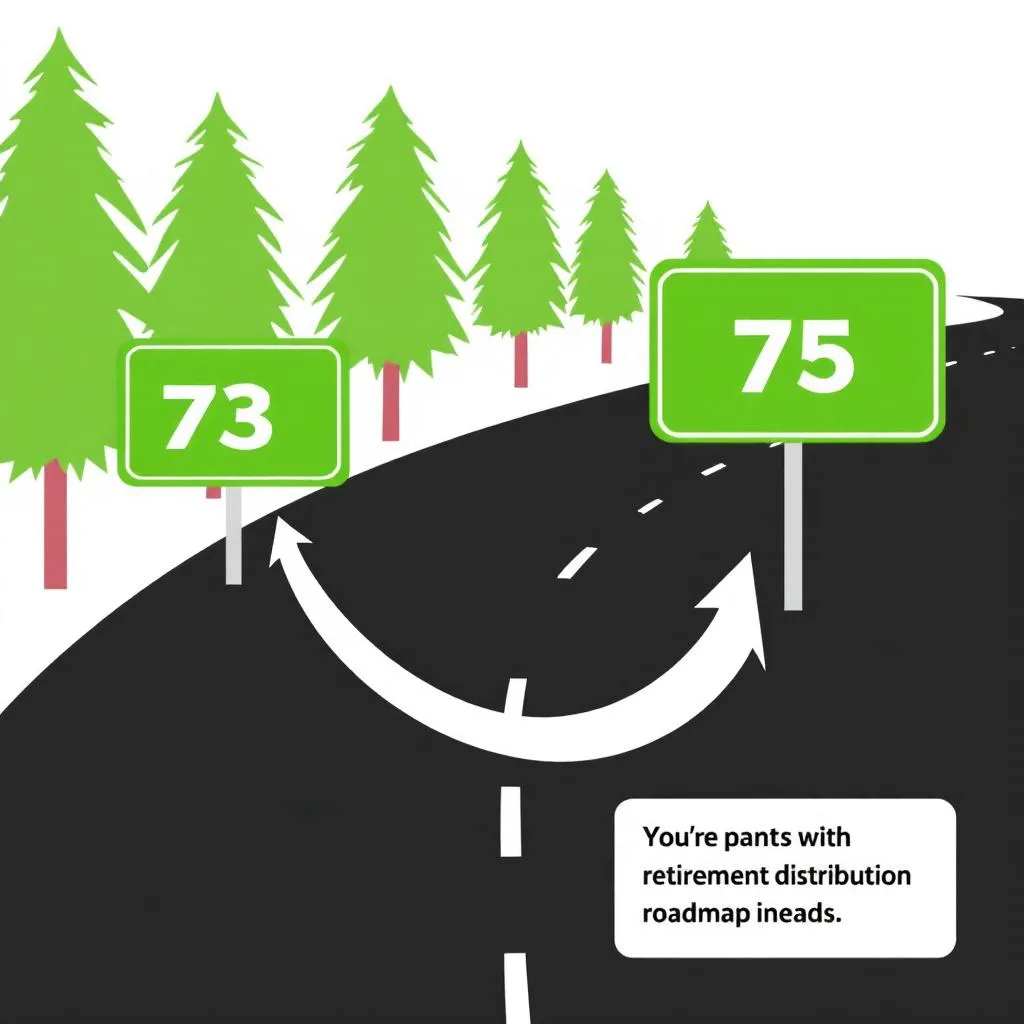
Imagine someone with $400,000 stashed away, needing to take a $15,000 RMD. Skip it, and you might owe $3,750 as a penalty. Fix it in time, and the penalty shrinks to $1,500—still painful, but far better. The message? Withdraw with intention. Spread RMDs between low-income years, coordinate across all accounts, and never let a missed withdrawal fester.
2. Social Security Benefits: When Relief Turns to Tax
Many retirees are stunned when they discover that up to 85% of their Social Security benefits could be taxed. Your “combined income”—which includes adjusted gross income, tax-exempt interest, and half your Social Security—forms the critical figure. As your other retirement income rises, so does the chance your benefits will be taxed.
A modest $15,000 IRA withdrawal combined with $20,000 in Social Security can tip half your benefit into taxable territory. Add another $10,000 withdrawal, and you could see up to 85% of those benefits taxed. These thresholds haven’t shifted for years, and they’re stubbornly low.
Don’t be lulled by political rumors: despite headlines, recent federal proposals haven’t erased these taxes. What has changed is a new “senior bonus” deduction, starting in 2025, offering up to $6,000 (or $12,000 for couples) off your taxable income if you’re 65 or older. This bonus may cushion the blow for some, but higher earners will see its effects phase out. Verification—a valid Social Security number—is required for the deduction.
3. Investment Gains and Dividends: The Old Rules Still Bite
Cash out your mutual funds or sell winning stocks in retirement and capital gains taxes quickly follow. Depending on your income, you might pay nothing on long-term gains—or hand over 15% to 20%, plus an extra 3.8% surtax if you cross certain thresholds. Even the dividends you once celebrated are divided: “qualified” payouts get a break, others do not.
A retiree can harvest $50,000 in gains and owe nothing in a slow-income year, but do the same amid big withdrawals or a fat pension, and you may hand over thousands in taxes you didn’t expect. To avoid regrets, time your gains for leaner years or offset them with investment losses.
4. Pensions and Annuities: Ordinary Income, Sometimes Ordinary Trouble
Regular pension checks often land squarely in the “ordinary income” bin for IRS purposes. With annuities, only your earnings are taxed, not the money you originally invested, but a big payout can tip you into a higher tax bracket. This, in turn, could drag more of your other income—like Social Security—into taxable range.
The trap is worse if you stack too much income into one year. If you combine a hefty $40,000 pension with $20,000 in IRA withdrawals, don’t be surprised when you land in a higher bracket than you planned, with a chunk of your Social Security newly exposed to taxation.
5. State Taxes: Home Is Where the (Tax) Heart Is
Some retirees are caught off-guard when they learn that a move across state lines can upend their tax bill. Only a handful of states truly spare most retirement income. Most others tax IRAs, pensions, or both. Some, like Florida and Texas, impose no income tax, while a move to states like North Carolina might suddenly expose all your withdrawals to state taxation, even as your Social Security stays sheltered.
That change isn’t trivial—a retiree moving north could easily face $5,000 to $10,000 more in taxes every year. Before you chase better weather or family ties, investigate the tax consequences closely.
Final Thoughts: Plan, Adjust, Protect Your Future
Taxes won’t vanish when you retire—they simply change their form, and too often, retirees learn this the hard way. To keep your plan resilient, periodically review all sources of income: RMDs, Social Security, investment gains, pensions, and any potential state-level surprises. Blend timing and tax strategy, and make regular check-ins with a seasoned tax pro part of your annual routine. That way, you’ll keep more of your hard-earned nest egg, and tax time won’t catch you off guard.