
By Maurie Backman (re-envisioned)
Life has a subtle way of quietly raising your bills while your paycheck or, for many, your Social Security check, limps to catch up. This is the challenge millions of retirees face each year: the annual cost-of-living adjustment (COLA) to Social Security arrives, almost always accompanied by guarded optimism…and, too often, an uncomfortable reality check.
Recently, projections for the 2026 COLA have landed on a 2.8% increase. On paper, this number might promise a touch of relief—a small financial nudge just when you need it most. But will this predicted adjustment actually shield seniors from the ever-creeping rise in expenses? For most, that looks unlikely.
The COLA, at its core, is designed to help Social Security beneficiaries maintain their buying power as prices for goods and services climb. The government’s method for calculating that number, though, isn’t as precise as one might hope. The formula hinges on the Consumer Price Index for Urban Wage Earners and Clerical Workers (CPI-W), a measure that, almost ironically, doesn’t directly reflect the spending habits or needs of retirees themselves.
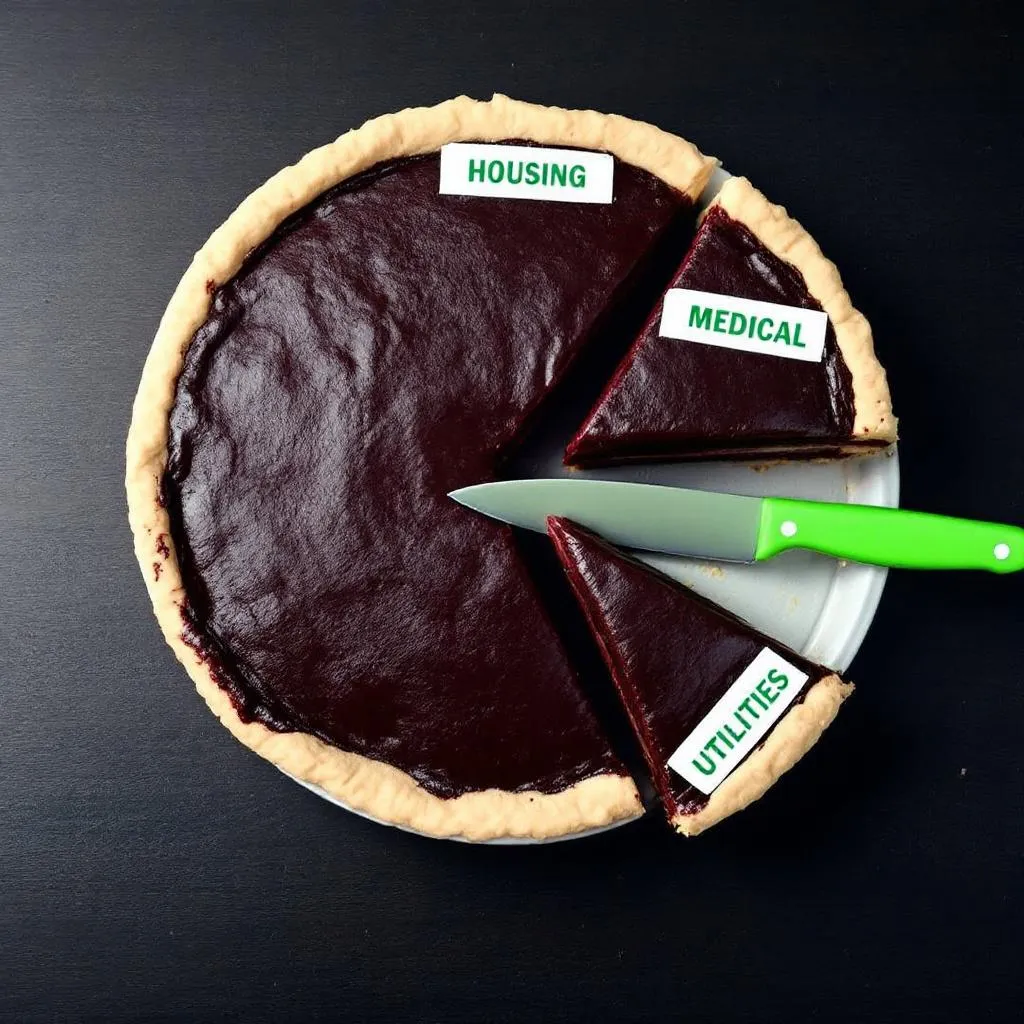
Here’s where things get tangled: while the COLA latches onto the CPI-W, retirees’ actual spending tells a different story. Many seniors allocate a sizable chunk of their budget to medical care, prescription drugs, groceries—essentials that have a habit of outpacing inflation as measured by the government’s favored index. If you’re living this reality, you know what it feels like when the markets or the pharmacy charge more than you expected, but your monthly Social Security doesn’t stretch quite far enough to match.
Let’s make it tangible. Imagine you’re a typical Social Security recipient, pulling in about $1,900 a month—a number that hovers around the 2024 average. A 2.8% increase would boost your income by roughly $53 each month. At first glance, that’s a welcome extra bill in your wallet. Yet, for those battling steeper rent, medical premiums that leap year over year, and grocery costs hitting new highs, that new money dries up almost before it arrives.
Healthcare, in particular, weighs heavily. Medicare premiums alone can swallow a good chunk of any COLA, and those premiums are notorious for rising unpredictably. Prescription drug prices don’t stand still either. Even everyday medications—blood pressure pills, insulin, common antibiotics—have inched upward year after year. And forget about dental or vision care; they’re often outside Medicare’s reach, leaving retirees to cover those full costs out of pocket.
Then there’s food. Even a quick grocery trip seems to cost more than you remember. Fresh fruit, lean poultry, staples like bread or coffee—all of it seems pricier with each passing season. Inflation as calculated for city workers simply doesn’t account for the unique squeeze on seniors’ real-world budgets.
Let’s not overlook housing. Not all retirees own their homes outright. Real estate taxes, homeowner’s insurance, maintenance—those dollars pile up. Renting isn’t a safe haven, either. Rents, especially in urban areas, have jumped faster than the official inflation rate most years, devouring bigger portions of fixed incomes.
Why does Social Security use the CPI-W, then? The answer is bureaucracy and inertia. The index has been in place for decades, even though advocates have repeatedly argued for a specialized index—one tailored to seniors’ actual consumption patterns. (An alternative exists, called the CPI-E, or Consumer Price Index for the Elderly, but so far it’s rarely used in the official calculation.)
The bottom line? A 2.8% COLA is better than no increase, but for many retirees, it feels like catching your breath only to realize you’re still lagging far behind the rising tide of daily costs. The numbers on a government chart rarely capture the gnawing anxiety of deciding between filling a prescription and keeping the pantry stocked. And though an annual COLA might offer hope, its impact is dulled by the realities of life on a fixed income.
If you depend on Social Security, now is the time to take a hard look at your budget, plan for rising costs, and—if possible—seek out extra sources of support. The struggle is real, and no percentage point can sugarcoat it.