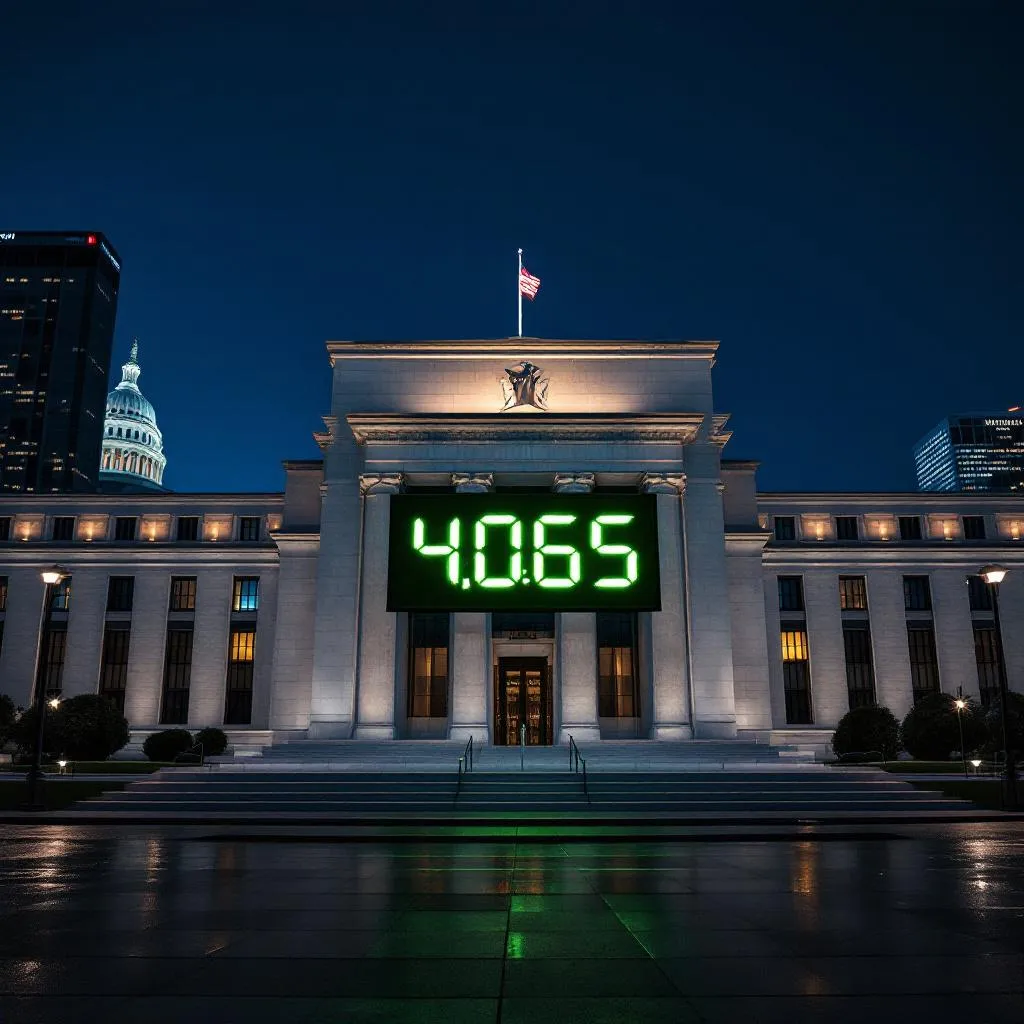
After a turbulent stretch of rate hikes and cautious pauses, the Federal Reserve enters 2026 with a markedly different posture. Inflation has cooled to just above the 2% target, and the labor market, while still tight, is showing early signs of normalization. The result: a central bank that is, for the first time in years, leaning toward measured easing rather than aggressive tightening.
Where Rates Stand Now
The federal funds rate currently sits at 4.25%—down from the cycle peak of 5.5% but still elevated by historical standards. The Fed cut rates twice in late 2025, each time by a quarter point, and markets are pricing in two to three more reductions through the end of 2026. That would bring the target range closer to 3.5%, a level many economists consider “neutral”—neither stimulating nor restricting growth.
What This Means for Borrowers
For Americans carrying variable-rate debt—credit cards, HELOCs, adjustable-rate mortgages—each rate cut translates to lower monthly interest costs. Credit card APRs, which surged past 22% at the peak, are already drifting toward 20%, and further cuts could push them into the high teens. Mortgage rates, while influenced by broader bond markets rather than the Fed alone, have slipped below 6% for the first time since early 2024, sparking a modest rebound in home buying activity.
What This Means for Savers
The flip side, inevitably, is less cheerful for savers. High-yield savings accounts that were paying 5% or more a year ago have already trimmed their offerings. By mid-2026, the best rates may settle around 4%, still historically generous but enough to prompt savers to rethink whether idle cash should be put to more productive use in bonds or diversified portfolios.

The Risks Ahead
The Fed’s path is anything but guaranteed. Geopolitical shocks, a sudden spike in energy prices, or a resurgence in wage-driven inflation could force a pause—or even a reversal. Chair Jerome Powell has repeatedly emphasized the data-dependent nature of each decision, and investors would be wise to plan for more than one scenario. Still, the broad direction is clear: 2026 is shaping up to be the year the Fed tries to guide the economy toward a soft landing, and so far, the runway is looking smoother than many feared.