As of February 2026, American consumers face an average credit card interest rate of 21% APR — a figure that, for anyone with an outstanding balance, is far from trivial. This rate sets the pace for what borrowing on plastic truly costs month after month, shaping household debt in ways that often go unnoticed until the bills arrive.
What Drives Credit Card Interest Rates?
Credit card rates don’t float untethered; they’re deeply anchored to the Prime Rate, moving in close concert with the decisions of the Federal Reserve. Every time the Fed pulls a lever, card issuers tag along, adjusting their rates upward or downward—almost always swiftly, rarely in favor of the consumer. While secured loans, like mortgages or car loans, offer safety nets for lenders in the form of collateral, credit card debt is pure risk for issuers. That risk, with nothing but a signature to guarantee repayment, turns into higher rates for the cardholder.
Interest charges are easily avoided: pay off your full statement balance every month, and banks won’t collect a cent in interest. Let the balance linger, and you’ll start to see those percentages transform into painful dollars. It’s important to note that these grace periods — usually three weeks or more — are blessings offered only on new purchases. The moment you dabble with balance transfers or withdraw cash, the meter starts running right away, often at a steeper rate.
Tracing the Arc of Credit Card Rates
For most of the years leading up to 2022, the average credit card interest rate rarely strayed from a docile 14% to 15%. But as inflation roared to life and the Fed responded with aggressive hikes, card rates leapt in tandem. What started at about 14.5% ballooned above 21% by the middle of 2024—a painful climb for anyone carrying debt. Only recently have these rates receded slightly, yet they remain markedly higher than the pre-inflation era, painting a challenging landscape for today’s borrowers.
How Are Credit Card Rates Determined?
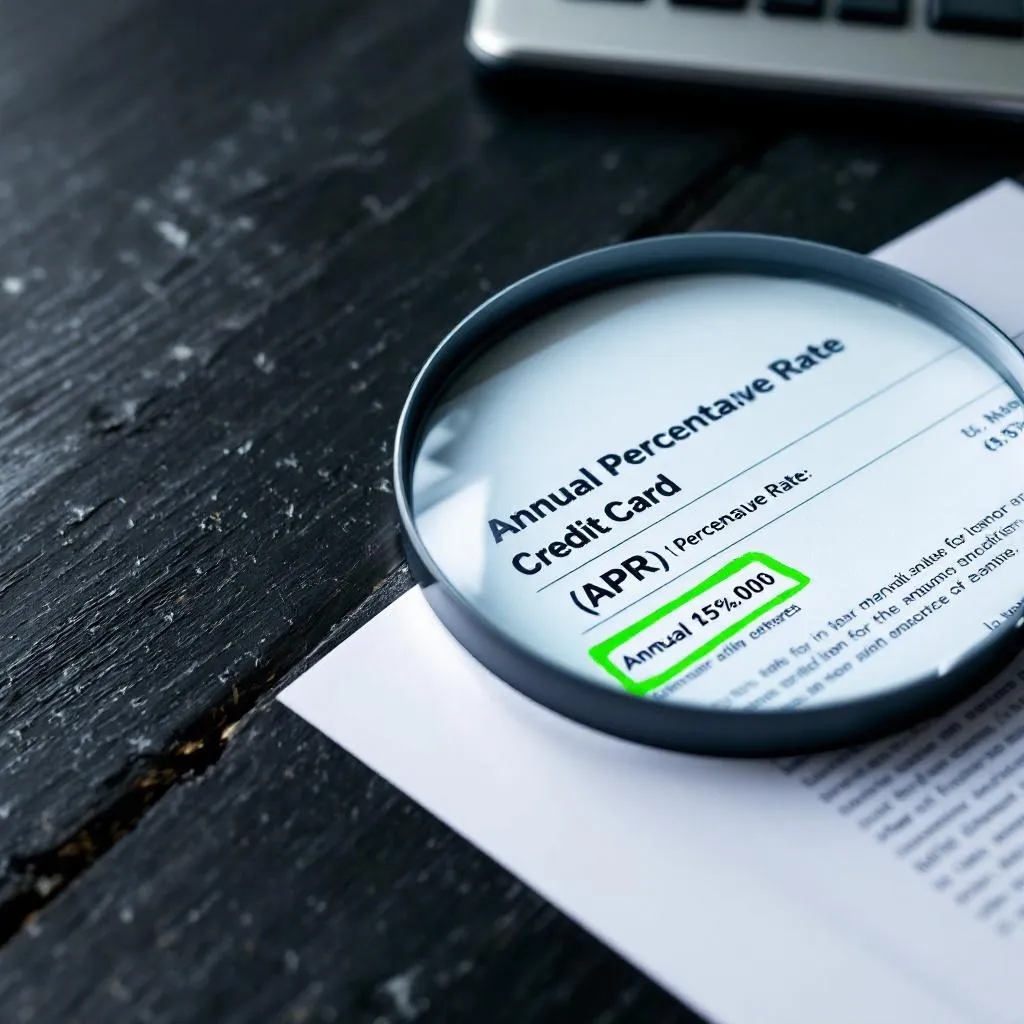
Most credit cards peg their APR to the Prime Rate, currently standing at 6.75%. On top of this, issuers tack on their own margin, typically in the range of 12% to 13%. Every time the Prime Rate shifts, so too does cardholder interest—usually within just one or two billing cycles. This responsiveness means that when policymakers make a move, your wallet feels it all but instantly.
The unsecured nature of credit card debt, unlike the comfort lenders find in home or auto loans, explains its higher rates. There’s no house or car for the bank to repossess if you default—just the hope you’re good for it.
Card type matters too. Rewards cards, packed with points and perks, often carry the steepest rates. Meanwhile, bare-bones cards with no frills tend to offer more forgiving terms.
Behind the Numbers: How Credit Card Interest Accrues
Although the headline APR tells what you’ll pay in a year, the reality bites daily. As soon as you carry a balance, your interest charges are calculated on a daily basis, applying a small slice of the APR to every day’s average balance. It’s a steady drip, easily overlooked, until months of minimum payments snowball into a mountain of debt.
To put this in perspective: carry a $5,000 balance at a 21% APR, make only the minimum payments, and you’ll discover the hard way how years stretch and thousands in interest quietly pile up.
Types of APRs You Might Encounter
Not every rate works the same. Here’s the landscape:
– Purchase APR: The standard rate applied whenever you roll a purchase into the next month. – Introductory APR: A special low or 0% rate for new cardholders, lasting usually 12 to 21 months before reverting. – Balance Transfer APR: Initially tempting (sometimes 0%) for those moving old debt, but the break is brief before regular rates resume. – Cash Advance APR: This is the payday loan of credit card rates — immediate, high, and with no grace period. – Penalty APR: Miss a payment, and you risk triggering this punishing rate, sometimes just a hair shy of 30%.
The Bottom Line
By February 2026, credit card rates sit at a stubbornly high 21%, according to the Federal Reserve. The exact number you’ll face depends on card type and your credit standing—those chasing rewards or carrying shaky credit see even higher figures. At these levels, debt doesn’t just cost money. It alters how Americans budget, spend, and dream.
Sources: Federal Reserve (2025), “Consumer Credit – G.19.”
About the Expert
Jack Caporal, Research Director at The Motley Fool, has guided financial research since 2021. His insights regularly land in top outlets, from Bloomberg to The New York Times. Previously a policy analyst in D.C., Caporal now chairs the Trade Policy Committee at Denver’s World Trade Center, all atop a foundation in international economics from Michigan State University. His keen analysis deciphers the numbers shaping America’s wallets.
Recent financial topics explored by our research team include average savings and checking account rates, Americans’ ownership of certificates of deposit, and who truly racks up the most credit card rewards. Your privacy, as always, remains our top priority.