
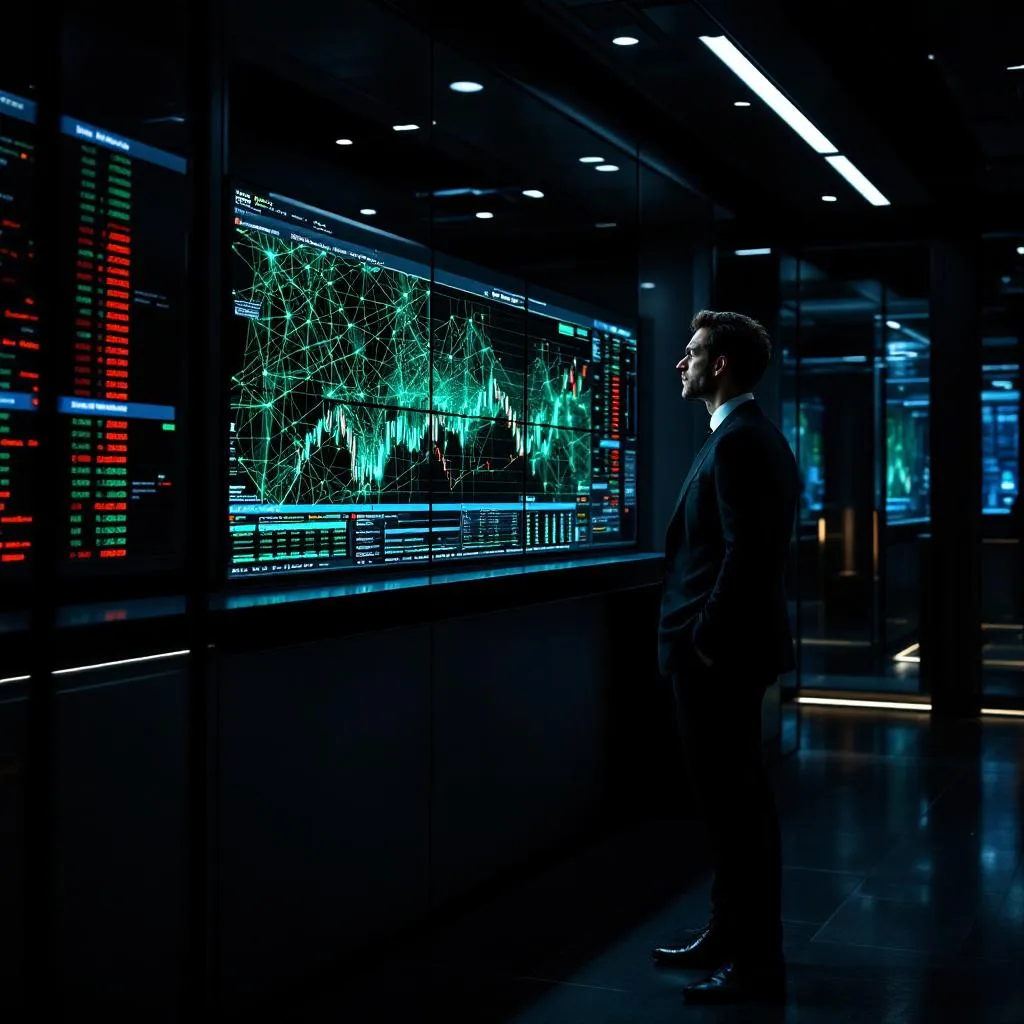
Artificial intelligence has moved from Wall Street’s back office to its beating heart. In 2026, machine learning algorithms don’t just assist traders and analysts—they increasingly drive decision-making across asset management, risk assessment, and customer-facing financial services.
Algorithmic Trading Reaches New Heights
Quantitative trading firms have long used AI, but the sophistication has leapt forward. Modern models ingest not just price and volume data but satellite imagery, shipping manifests, social media sentiment, and even weather patterns to identify trading signals invisible to human analysts. The result: algorithmic strategies now account for an estimated 70% of equity market volume, up from 60% just two years ago.
Personalized Financial Advice at Scale
For everyday investors, AI’s most visible impact is in the rise of hyper-personalized robo-advisors. These platforms now go far beyond basic portfolio allocation. They analyze spending patterns, predict future income trajectories, model tax scenarios, and adjust investment strategies in real time. Betterment, Wealthfront, and a wave of fintech challengers are deploying models that make advice once reserved for high-net-worth clients accessible to anyone with a smartphone.
Risk Management Revolution
Banks and insurers are deploying AI to detect fraud, assess credit risk, and stress-test portfolios against thousands of simulated scenarios simultaneously. JPMorgan’s COiN platform, for instance, now processes commercial loan agreements in seconds that once required 360,000 hours of human labor annually. The efficiency gains are staggering—and they’re reshaping hiring across the industry.
The Ethical Questions
With power comes scrutiny. Regulators are grappling with algorithmic bias in lending decisions, the systemic risks of correlated AI-driven trades, and the opacity of models that even their creators struggle to fully explain. The SEC has proposed new disclosure requirements for AI-driven funds, and the debate is far from settled. What’s clear is that AI in finance isn’t a trend—it’s the new infrastructure, and navigating its risks is as important as harnessing its potential.